🇺🇸 United States – Destination Guide
Talk to a US Study Expert
Study in the United States
Home to Ivy League universities, Silicon Valley, and some of the world’s most innovative campuses, the USA offers global exposure, research-driven programs, and powerful career opportunities.
Capital
Washington, D.C.
Currency
US Dollar (USD
Main Intakes
Fall & Spring


Major Study Cities
New York · Los Angeles · Chicago · Houston · Boston · San Francisco · San Diego · Philadelphia · Phoenix
Top Cities
New York · Los Angeles · Chicago · Houston · Boston · San Francisco · San Diego · Philadelphia · Phoenix
Perfect For
Students seeking research, innovation & global careers
Popular Levels
Undergrad · Master’s · PhD

Tuition Fees
Tuition Fees in the USA
- Undergrad: USD 20,000 – 40,000/year
- Master’s: USD 20,000 – 45,000/year
- PhD: USD 28,000 – 55,000/year

Living Costs
Living Costs in the USA
- Accommodation (on-campus): USD 800 – 900/month
- Shared rental: USD 470 – 3,600/month (varies)
- Food: USD 250 – 700/month
- Transport: USD 170 – 200/month
- Health insurance: USD 1,200 – 1,500/year
- Books & misc: USD 500 – 1,000/year
Entry Requirements
Who Can Study in the USA?
- Academic eligibility: Typically 12th-grade certificate (or equivalent) for undergrad; bachelor’s degree for postgrad.
- English test: IELTS / TOEFL required by most universities.
- Minimum scores: Varies strongly by university; often IELTS ~ 6.5–7.0 or equivalent for competitive unis.
- Backlogs policy: Depends on institution — many universities allow some backlog, but too many may reduce your admission chances.
- Gap acceptance: Varies — most US universities accept a gap year, but you may need to explain gaps in your application (SOP).
Intakes
Intakes in the USA
- Fall (Aug–Sep) — main intake
- Spring (Jan–Feb) — fewer programs, but many unis offer spring admission
Scholarships & Funding
Scholarship Options for the USA
- Government scholarships (e.g., Fulbright)
- University Scholarships: Merit-based, need-based
- Merit-based funding (for high GPAs, test scores)
- Need-based / financial aid (especially for undergraduates)
During Study
Part-time Work (During Study)
- Allowed: Yes, often on-campus or via certain work-authorization programs
- Hours: Typically up to 20 hours/week for F-1 students
- Types of jobs: Library assistant, admin, campus jobs, tutoring, research assistant (for postgrad)
- Minimum wage: Varies by state (could be above minimum wage in many places)
After Graduations
Post-Study Work Options
- OPT (Optional Practical Training): After degree completion, students can work off-campus in the U.S.
- Standard OPT: typically up to 12 months
- For STEM students: extension up to 24 months (or more depending on regulation)
- Eligibility: Must have F-1 visa, must apply before course completion (or shortly after)
- Path to PR / Work: OPT helps get job experience; after OPT, students may apply for H-1B or other work visas (PR is not guaranteed)
Popular Courses
Popular Fields of Study
- Business & Management
- Information Technology / Computer Science
- Engineering
- Health & Life Sciences
- Arts & Humanities
- Social Sciences
Why USA?
Why Study in the USA?
- World-class universities & research opportunities.
- Very high employability & networking possibilities.
- Flexible curriculum — many universities allow you to change majors.
- Strong campus infrastructure & student support
- Rich diversity & cultural exposure
Top Universities
Leading Universities in the USA (non-ranked list)
Some of the most reputed institutions preferred by international students.
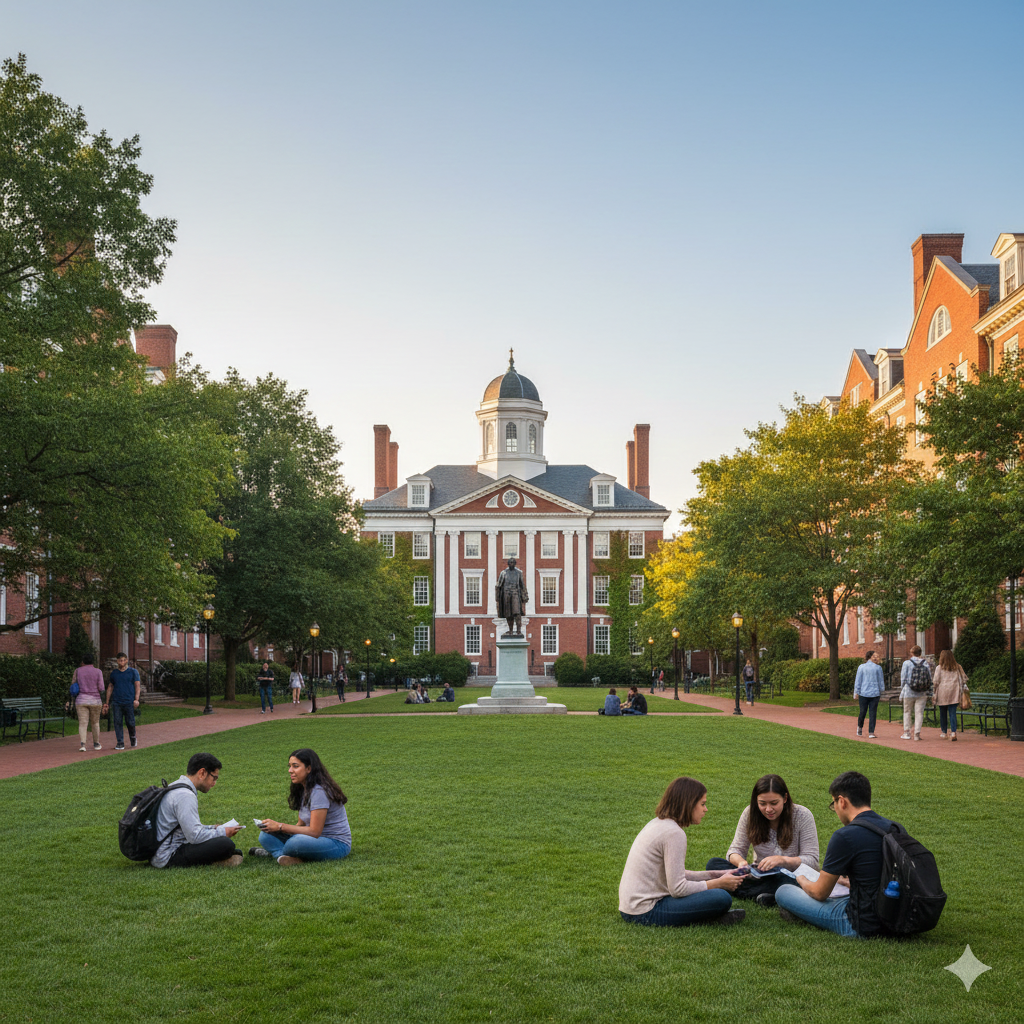
Harvard University
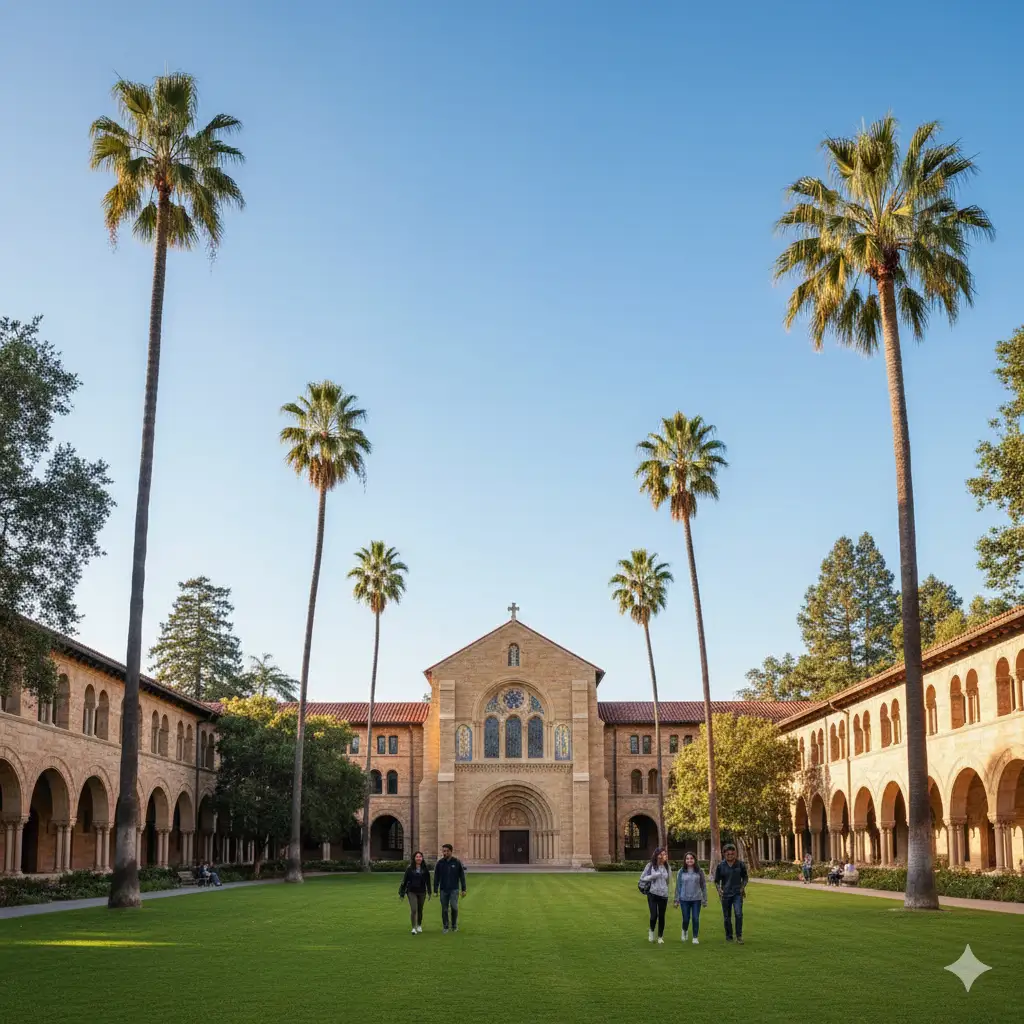
Stanford University

New York University
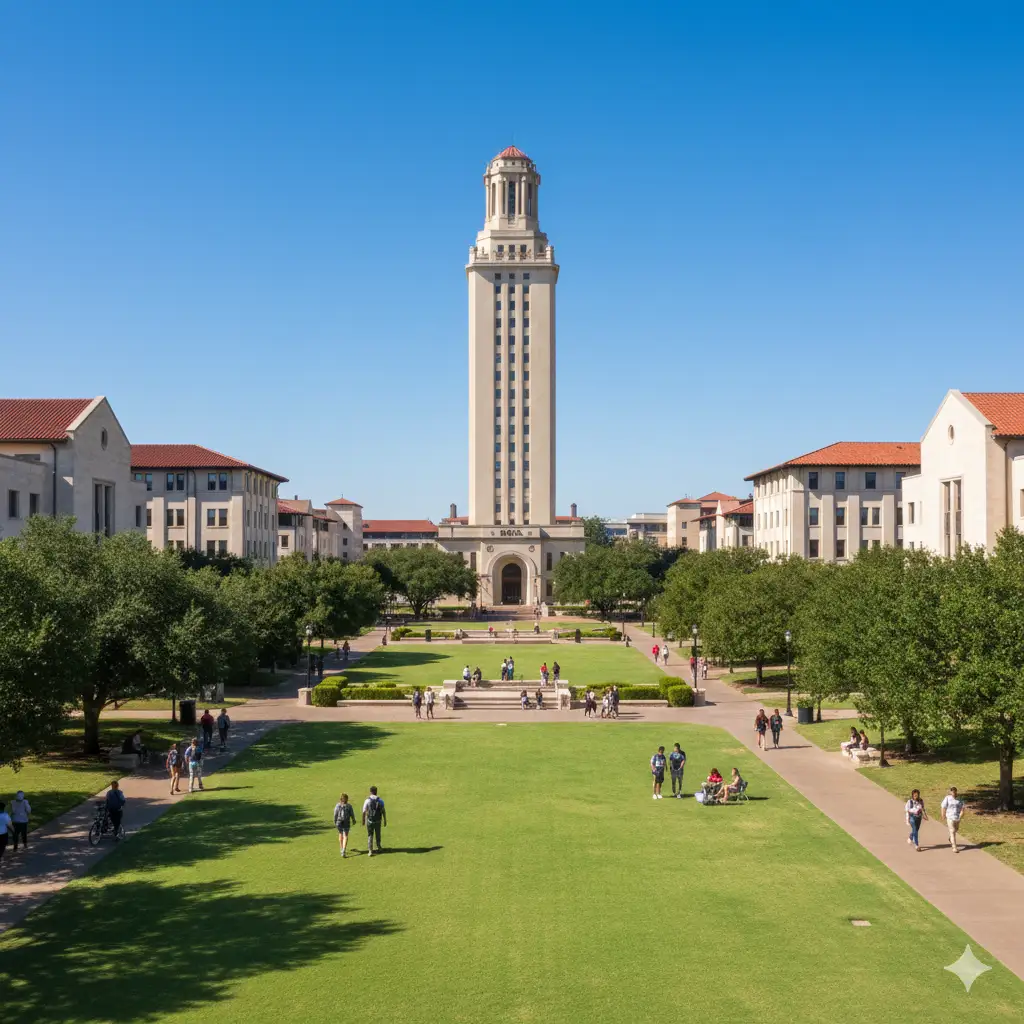
University of Texas at Austin
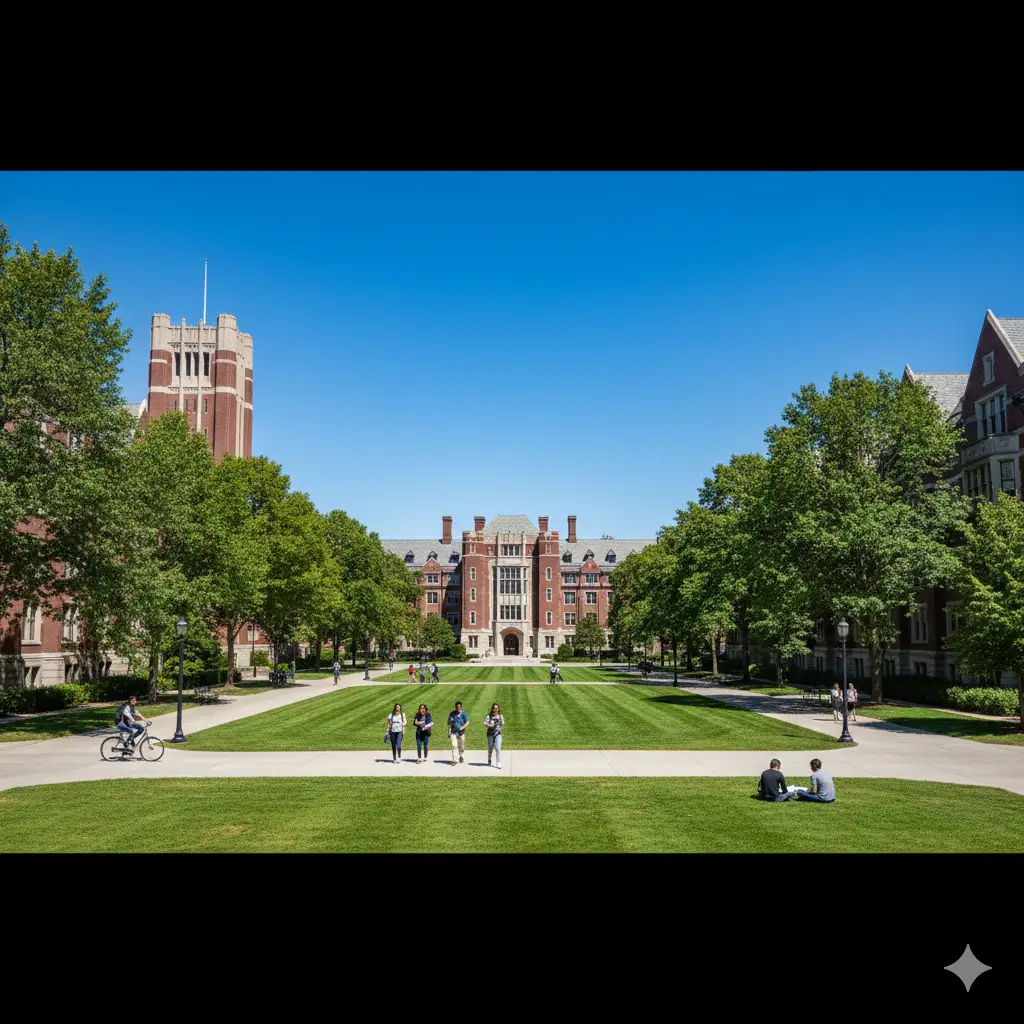
University of Michigan
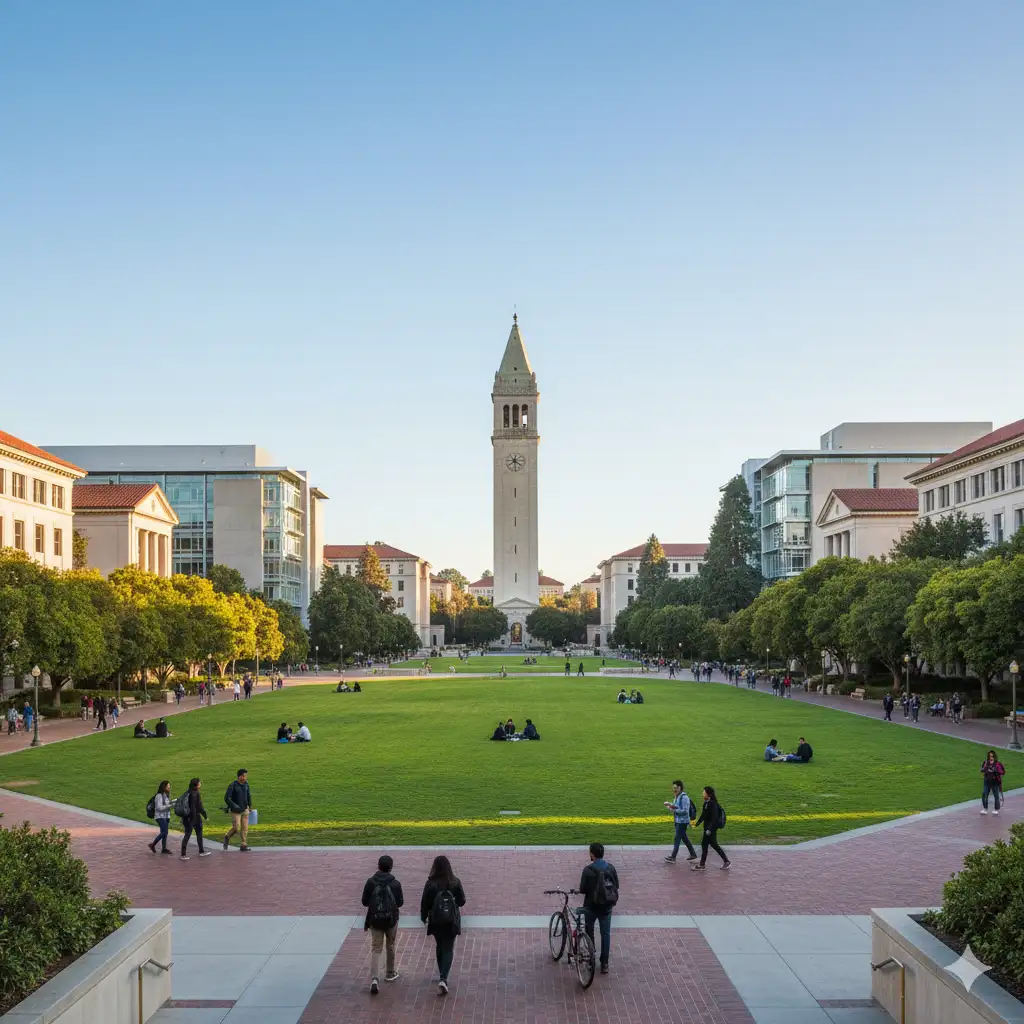
University of California, Berkeley
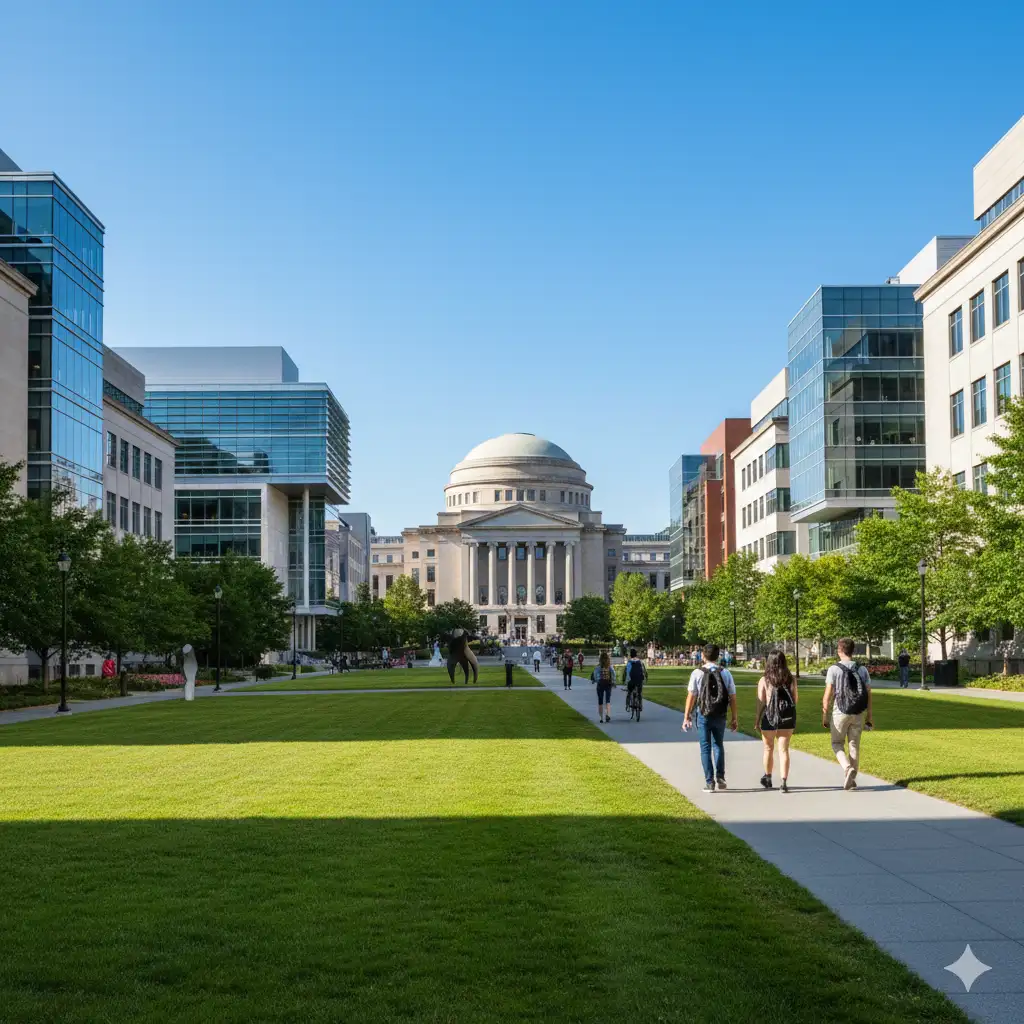
Massachusetts Institute of Technology (MIT)
Application Journey
Application Process – 5 Simple Steps
Here’s the typical path to applying for universities in the USA:
01
Research & Shortlist
Research universities and programs, compare locations, rankings, budgets and shortlist your best-fit options.
02
Take Standardized Tests
Appear for SAT / GRE (if required) and English tests like TOEFL / IELTS.
03
Prepare & Submit Applications
Prepare transcripts, SOP, Letters of Recommendation and submit your applications before deadlines.
04
Receive Offers & Arrange Finances
Review admission offers, confirm your seat and arrange finances and documents.
05
Visa, Accommodation & Travel
Apply for your visa, choose accommodation, book travel and attend orientation at your university.